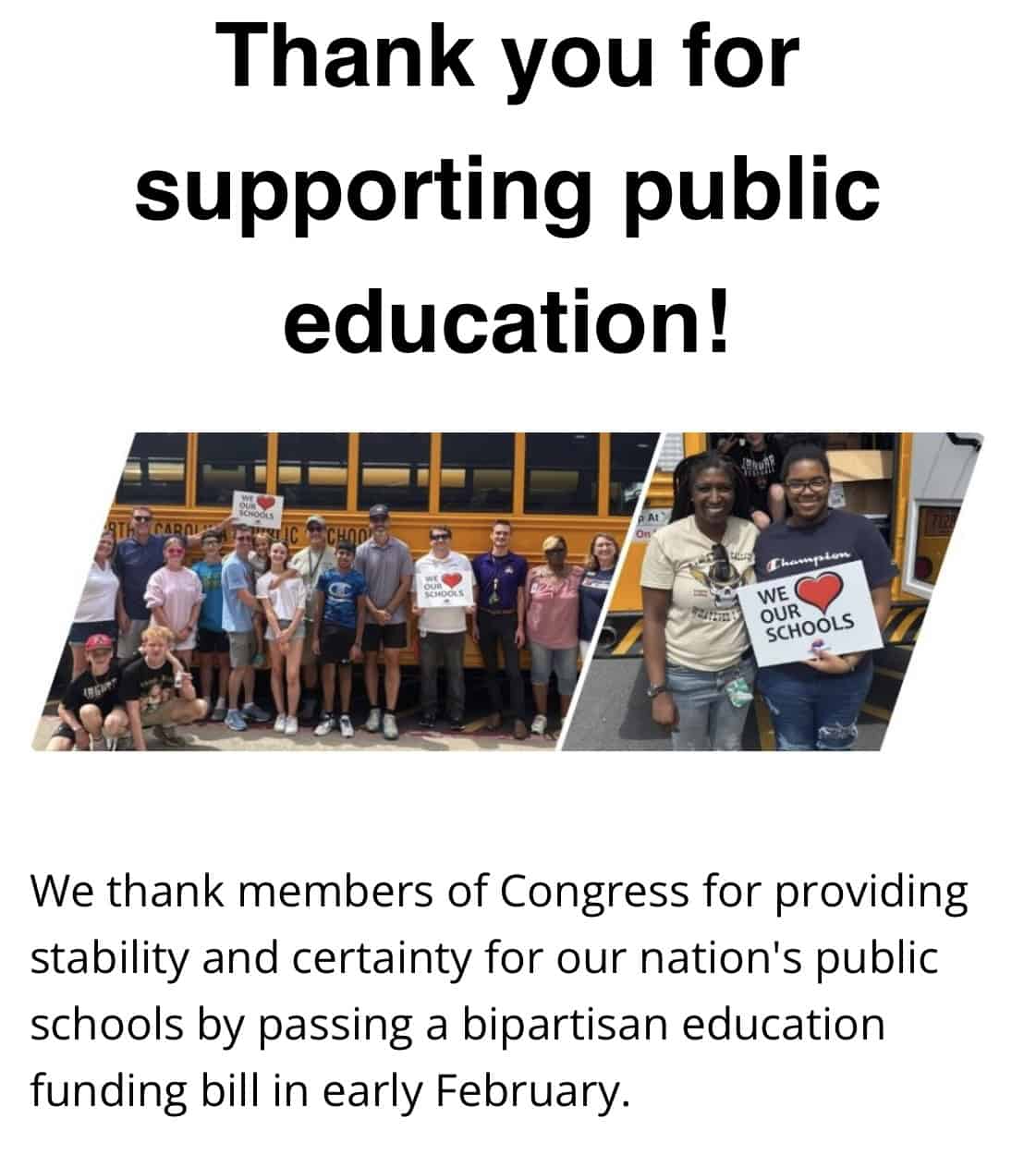
Did you know that every level of government—federal, state, and local—plays a distinct role in funding our public schools? Understanding who controls which dollars helps communities advocate effectively for the resources students need to thrive.
Where PCS Funding Comes From
Public education funding for Pitt County Schools (PCS) is a shared responsibility:
23% Federal Funding
- The largest federal investments come through Title I, which supports schools serving low‑income families, and IDEA, which provides essential services for students with disabilities.
61% State Funding
- The state covers most instructional costs, including teacher salaries and classroom resources.
16% Local Funding
- Local government dollars primarily support school facilities—building, maintaining, and improving the spaces where students learn but also often includes funding for some instructional costs not covered by the state.
Federal Update: Education Funding Protected for 2026–27
There’s good news at the federal level. Congress recently passed an education spending bill with no cuts to public school funding. This is especially significant given that:
- Last year, federal funds were temporarily frozen just before the school year began.
- In the fall, Congress proposed a 27% cut to Title I, which would have deeply affected schools serving low‑income communities.
Community advocacy—calls, emails, and public pressure—played a major role in preventing these cuts. With the new bill in place, federal funding for the 2026–27 school year is expected to remain stable.
If you’d like to thank members of Congress for supporting public education, you can do so HERE.
State Update: North Carolina Still Operating Without a Budget
The North Carolina General Assembly has not yet passed a state budget. Typically, the legislature approves a two‑year budget by July 31st of odd‑numbered years. Without one:
- The state continues operating under the previous budget.
- Districts—including PCS—must manage growing needs with outdated funding levels.
- This uncertainty creates challenges for staffing, planning, and meeting student needs.
A delayed state budget has real consequences for classrooms today.
Local Update: County Leaders Collaborate to Meet District Needs
Pitt County Commissioners work closely with the Pitt County Board of Education and PCS Senior Leadership to determine local funding needs. Their collaboration focuses especially on facility needs, ensuring that school buildings remain safe, functional, and equipped for modern learning.
How You Can Advocate for Public School Funding
Strong public schools depend on informed, engaged community members. Here’s how you can make a difference:
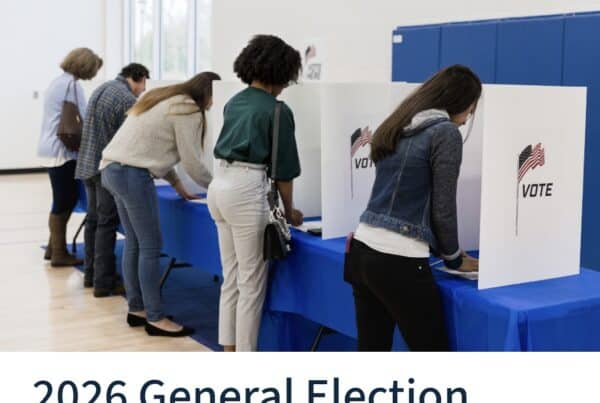
1. Vote in Every Election
Every elected official—from Congress to the County Commission—affects school funding.
The 2026 Primary Election is on Tuesday, March 3rd.
Use the State Board of Elections Voter Search Tool HERE to:
- Find your polling place
- Confirm your voter registration
- View your sample ballot
Research candidates’ positions on public education before you vote.
2. Contact Your Elected Representatives
Calls, emails, and letters matter. You can:
- Request support for public education funding
- Thank officials who have already taken positive action
Both types of communication help keep education a priority. Click HERE for a tool to find and contact your elected representatives.
3. Stay Informed and Spread the Word
Public education faces ongoing challenges. Staying informed—and encouraging others to do the same—helps build a stronger, more engaged community voice.